
The Forgotten ACL Finding: Stump Entrapment

The Forgotten ACL Finding: Stump Entrapment
Beyond the Tear in Pivot-Shift Injuries
Clinical Context
A 46-year-old male presented with acute right knee pain and swelling following a non-contact rotational injury sustained during a five-a-side football match.
In clinical practice, when the history includes “knee twisting during recreational football,” a pivot-shift mechanism should be strongly suspected. MRI frequently confirms this suspicion.
MRI Findings
MRI demonstrated:
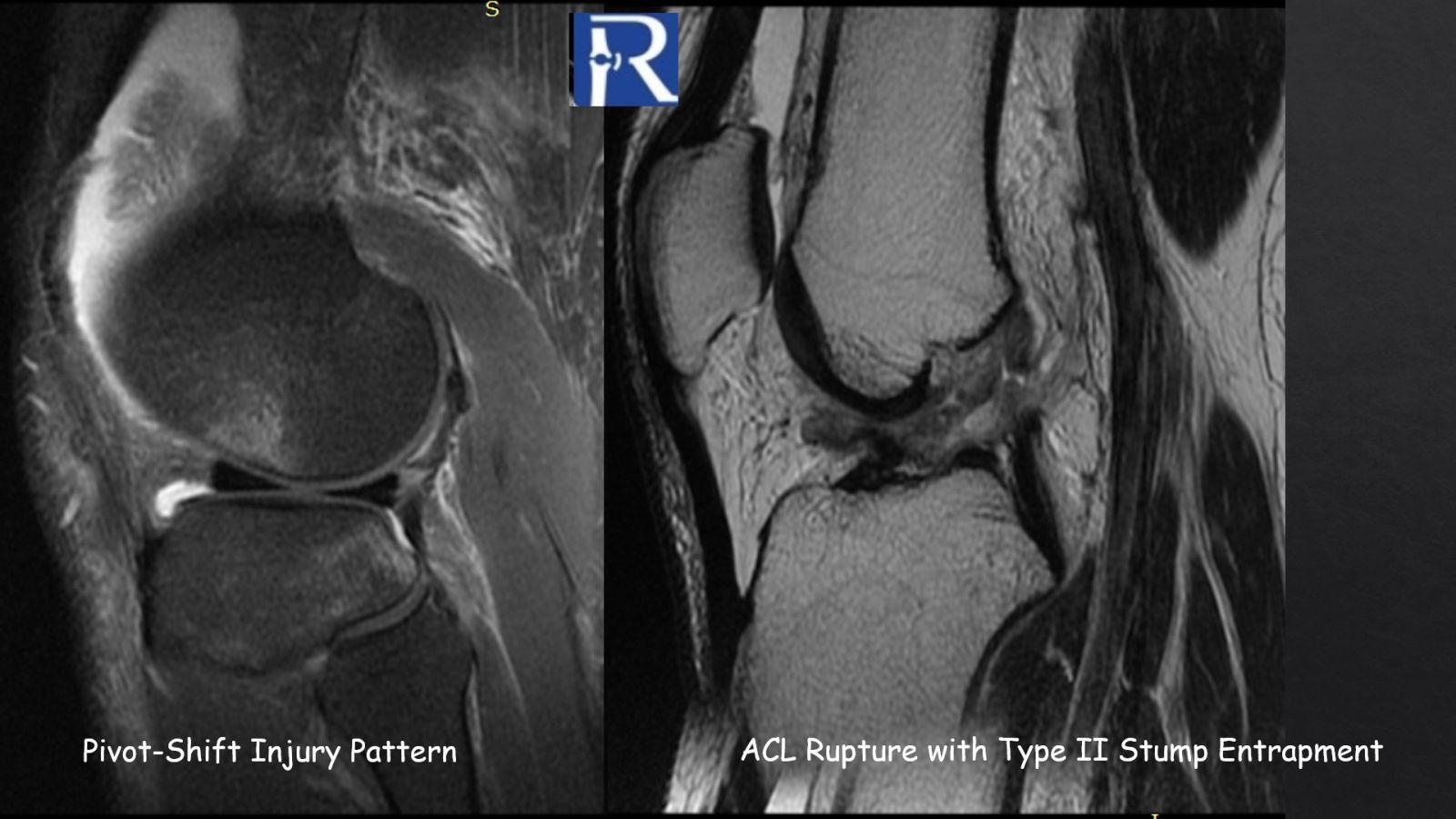
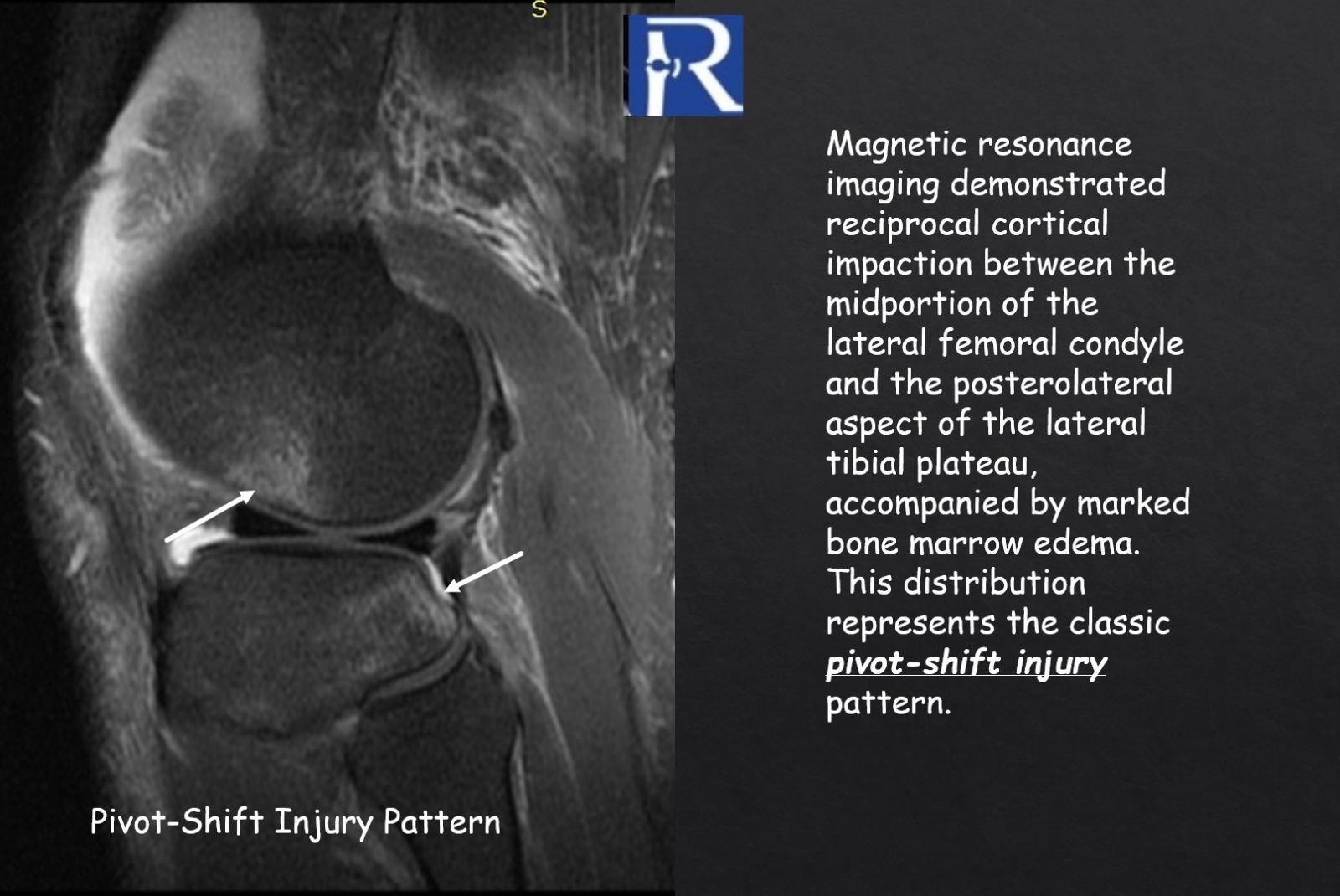
- Classic pivot-shift injury pattern
- Reciprocal impaction of the lateral femoral condyle and posterolateral tibial plateau
- Associated high-grade bone marrow edema (Grade 3 bone contusion)
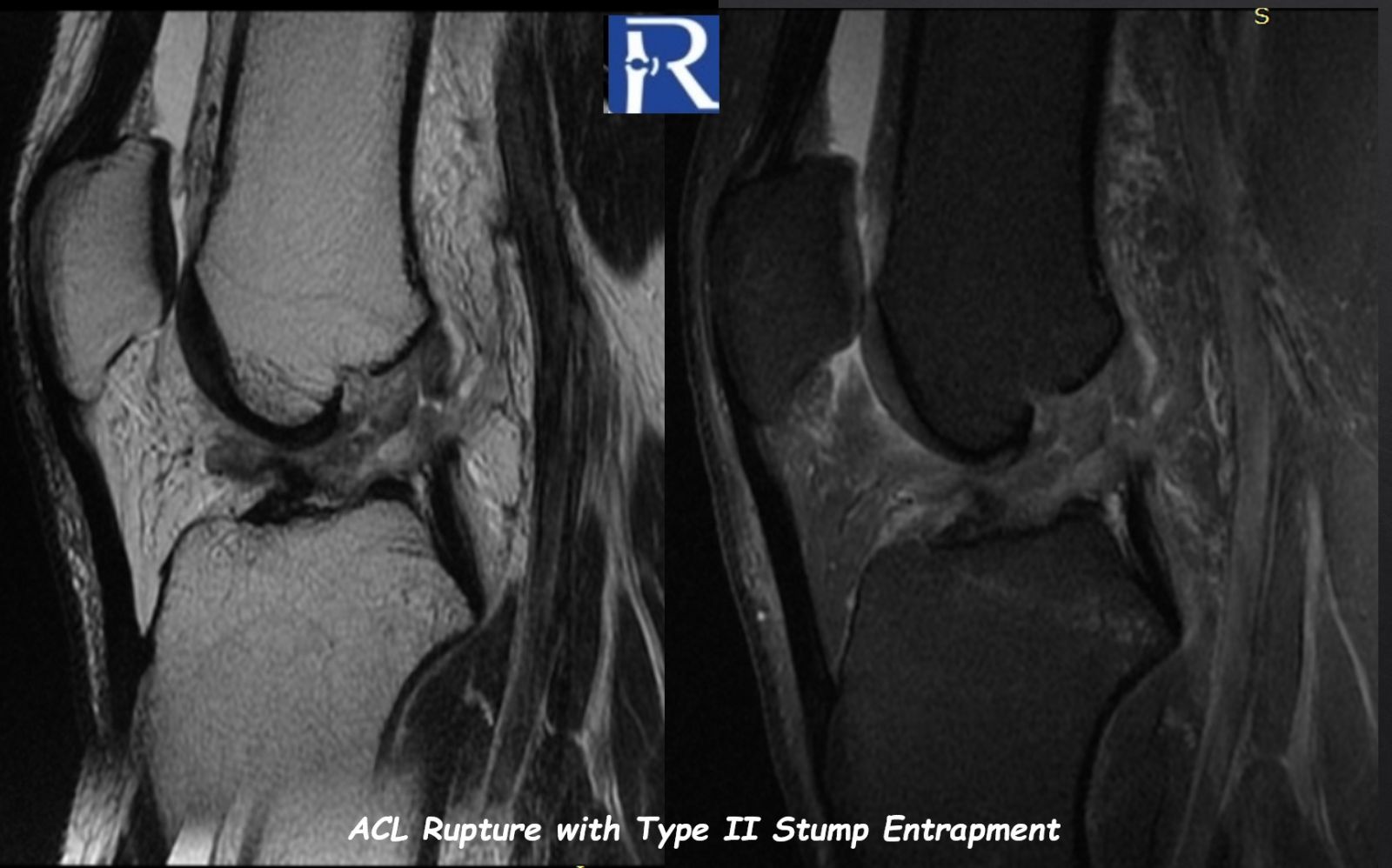
- Complete anterior cruciate ligament (ACL) rupture
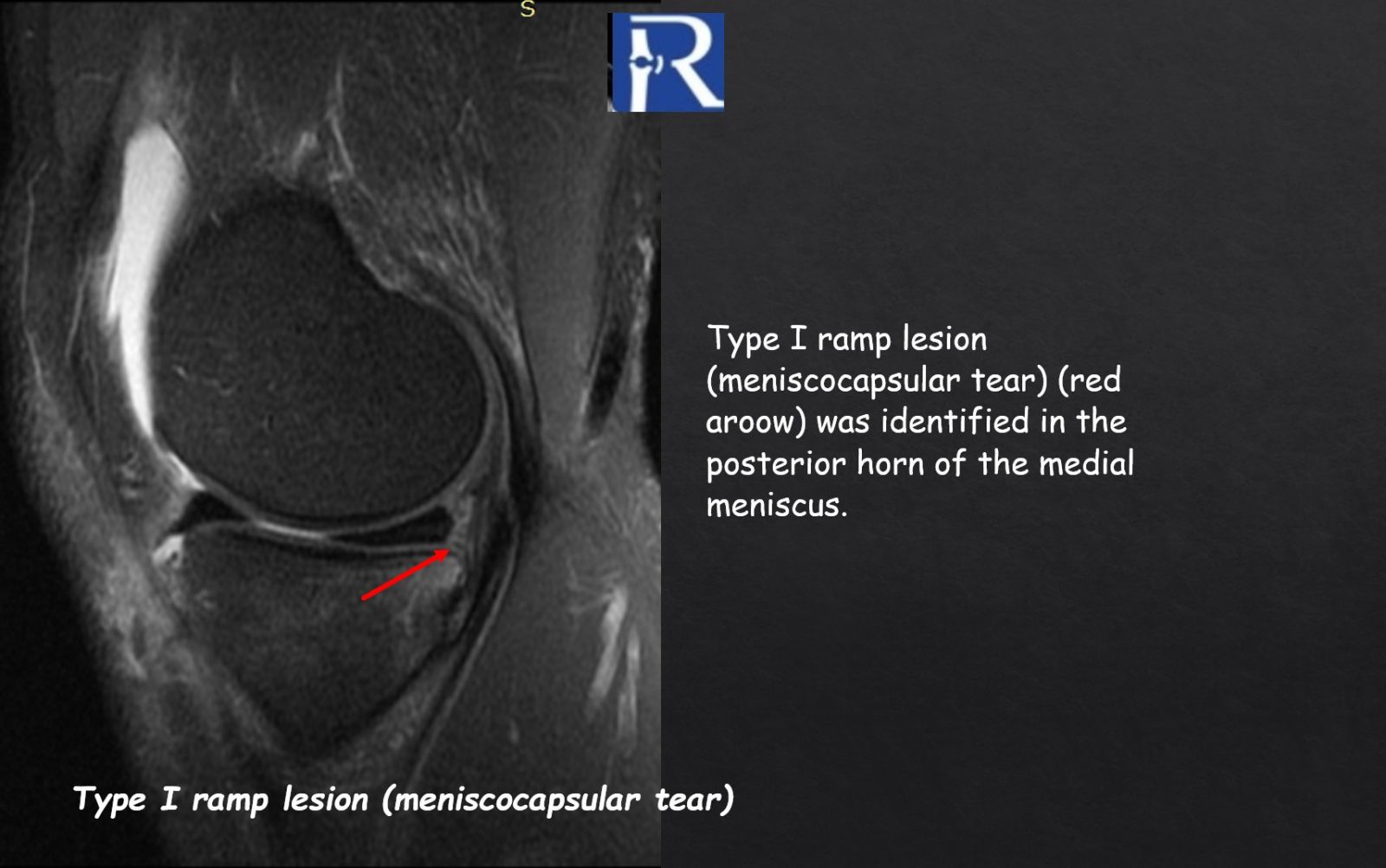
- Medial meniscus Type I ramp lesion
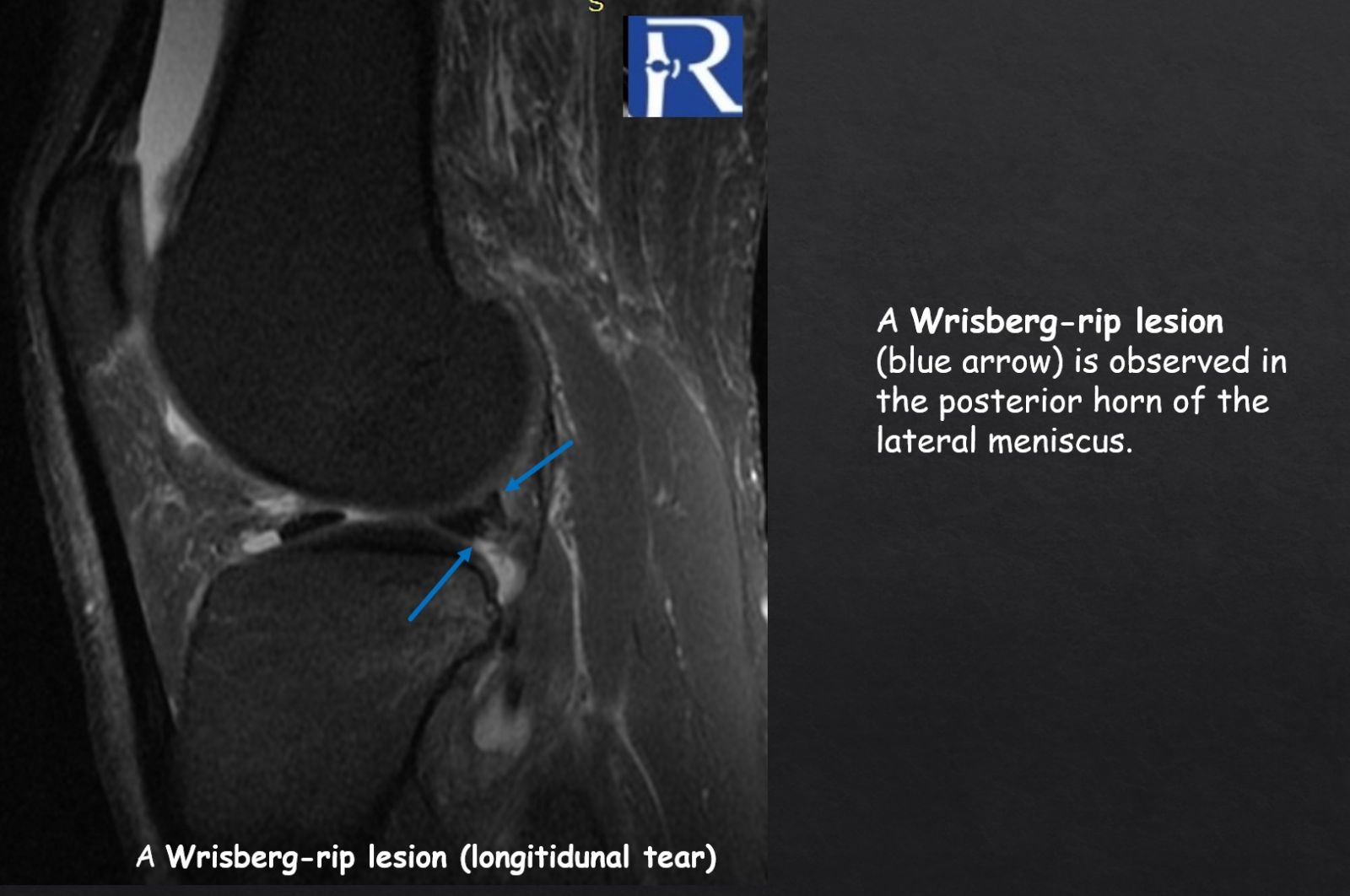
- Posterior horn lateral meniscus Wrisberg-rip tear
???? Most clinically significant finding:
Type II ACL stump entrapment
The distal ACL remnant was displaced anteriorly into the intercondylar notch, forming a tongue-like configuration with potential mechanical impingement.
Mechanism and Pathophysiology
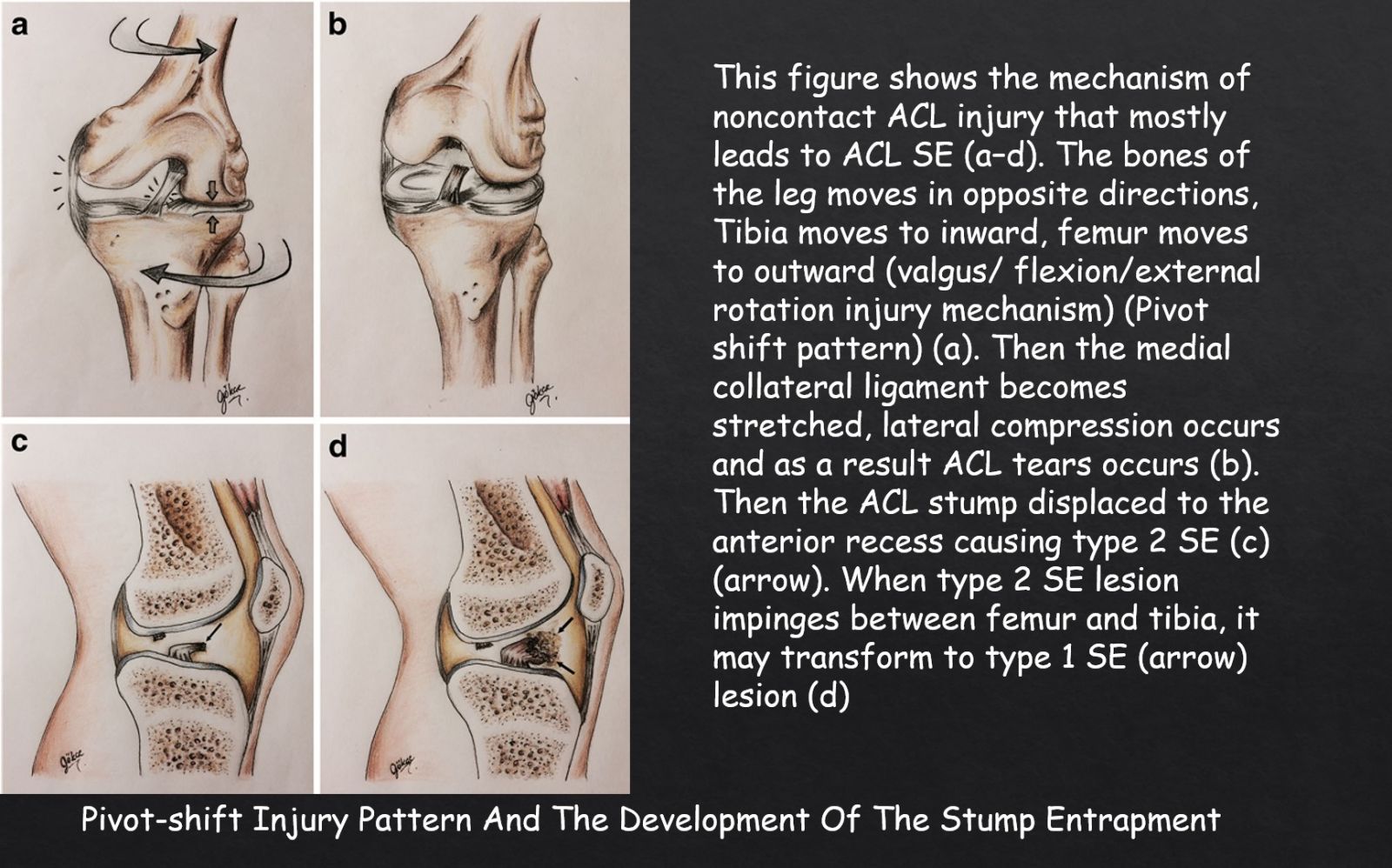
The pivot-shift injury mechanism typically involves valgus loading combined with tibial external rotation at variable degrees of knee flexion.
Following ACL rupture, anterior tibial subluxation produces the characteristic lateral femoral condyle ↔ posterolateral tibial plateau impaction pattern.
In more severe translational injuries, the torn ACL remnant may flip anteriorly and become entrapped within the intercondylar notch.
Type II stump entrapment represents the acute morphology:
- Anterior displacement of residual fibers
- No discrete nodular mass
- Possible mechanical extension block
If unrecognized, repetitive impingement may result in fibrotic remodeling, progressing into a Type I configuration resembling a cyclops lesion.
Thus, Type II stump entrapment may represent the precursor stage of anterior arthrofibrosis.
Why This Matters
Stump entrapment remains underrecognized in routine MRI reporting.
Yet it may:
- Explain acute extension deficit
- Influence surgical timing
- Affect intraoperative stump management
- Impact postoperative range-of-motion outcomes
An ACL tear is not only a disruption of fibers.
Its configuration determines its mechanical behavior.
Key Learning Points
• In pivot-shift injuries, do not stop at confirming ACL rupture.
• Actively evaluate ACL remnant morphology.
• Consider stump entrapment in cases of extension deficit.
• Distinguish acute Type II morphology from chronic Type I (cyclops-like) transformation.
• Use a structured checklist to avoid missing associated ramp and lateral meniscus injuries.
Final Perspective
Comprehensive MRI assessment in ACL injuries requires more than identifying the tear.
It requires understanding how the remnant behaves within the joint.
MRI does not only confirm the tear — it reveals its behavior.
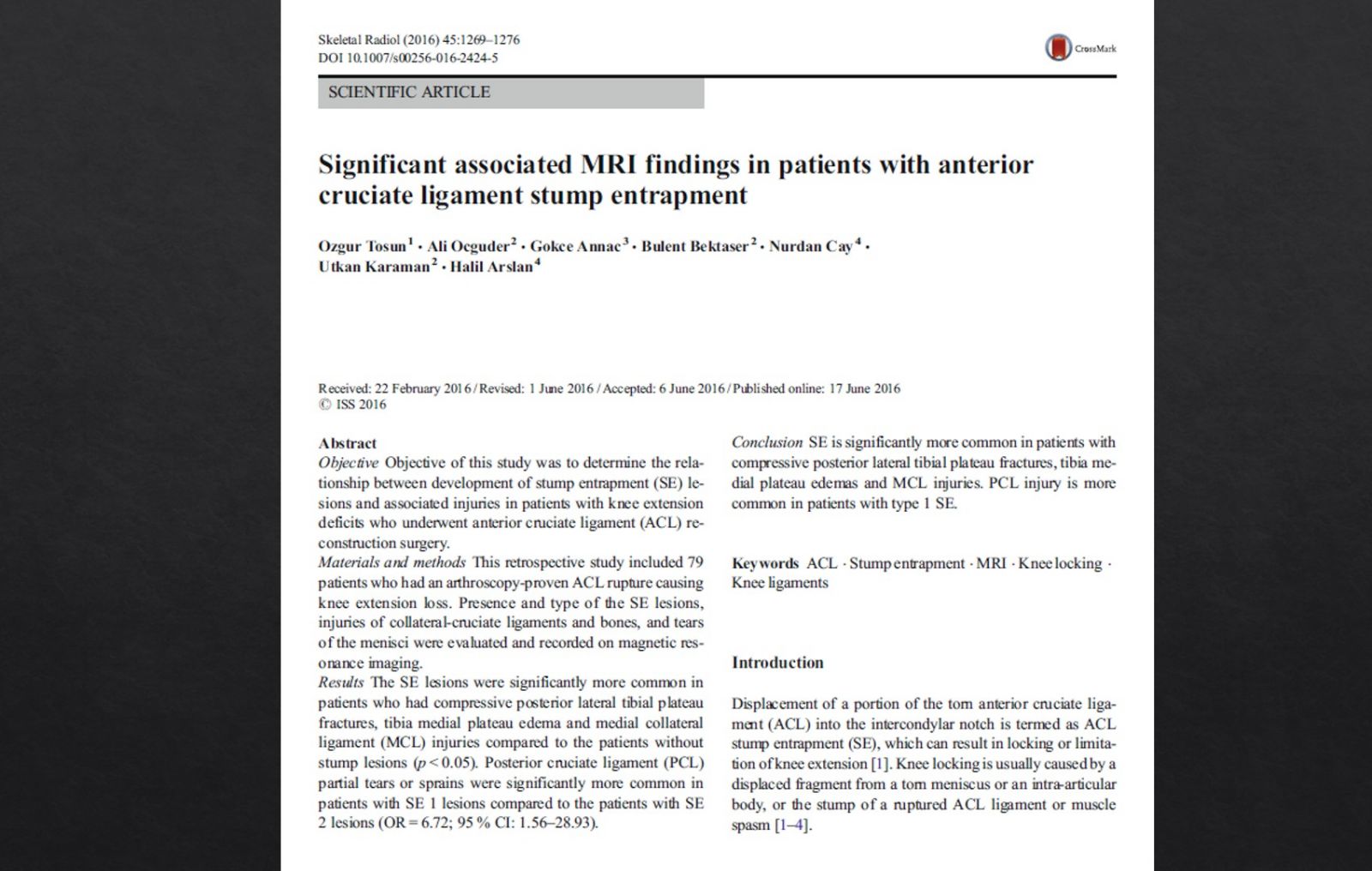
This perspective is supported by our previously published study demonstrating the association between ACL stump entrapment and compressive posterolateral tibial plateau fractures, medial tibial plateau edema, and MCL injury.
Full article:
https://link.springer.com/article/10.1007/s00256-016-2424-5

0 COMMENTS
These issues are no comments yet. Write the first comment...